

About 84% of new single-family homes in 2022 were in a homeowners association (HOA). This shows how big of a deal HOAs are for property owners. Dealing with HOA rules can be very tricky.
HOAs have a lot of power in neighborhoods. They make rules that can really change how you own your home. These rules help keep the area nice and the homes’ values up.
The relationship between homeowners and HOAs is complex. There are legal things to think about that could affect your rights to your home. Even though HOAs can’t just make you sell, they can make things hard for you if you don’t follow the rules.
It’s very important to know about HOA laws. Things like monthly fees and actions they can take are key. HOAs help run many homes in the U.S.
Key Takeaways
- HOAs govern over 75.5 million Americans, representing 30% of U.S. housing stock
- Homeowners associations have significant legal authority in residential communities
- Compliance with HOA rules is essential to avoid possible financial penalties
- Knowing your legal rights can help avoid problems
- HOA rules differ by state and can greatly affect owning property
Understanding Homeowners Associations (HOAs)
Homeowners associations help manage homes in the United States. They make rules and take care of shared spaces. This keeps property values high and makes living together easier.
A homeowners association is a group that looks after common areas. They make sure everyone follows the rules in a neighborhood or housing area. They work under laws that help keep things organized and fair.
What is a Homeowners Association?
HOAs help manage communities with rules. They work in many places, like:
- Planned neighborhoods
- Condominium complexes
- Townhouse communities
- Multi-unit residential buildings
Roles and Responsibilities of an HOA
HOAs do many important things, like:
- Keeping common areas nice
- Collecting money from members
- Following community rules
- Handling money for the community
Common Rules and Regulations Implemented by HOAs
HOAs have rules for living together, like:
- Aesthetic standards for property appearance
- Landscaping rules
- Rules for noise
- Guidelines for pets
- Rules for parking and vehicles
About 35% of homes in the U.S. have HOAs. This shows how big their role is in communities. Before buying a home, it’s good to know about HOA rules.
Legal Authority of HOAs
Homeowners associations have a lot of power in residential areas. Knowing what they can and can’t do helps homeowners deal with real estate laws better.
The rules for HOAs vary by state. This makes things complex. Each HOA must follow state and federal laws.
Overview of HOA Power
HOAs have power in several areas:
- Setting and enforcing community rules
- Collecting fees and assessments
- Keeping common areas clean
- Imposing fines for breaking rules
State-Specific Laws Affecting HOAs
State laws greatly affect HOAs. Each place has its own rules for HOAs. These rules protect homeowners and guide how HOAs work.
| State Feature | HOA Legal Impact |
|---|---|
| Notice Requirements | Mandatory communication before legal action |
| Fine Limitations | Caps on penalty amounts |
| Foreclosure Rules | Specific conditions for property liens |
Limitations on HOA Authority
Even though HOAs have a lot of power, they can’t just do whatever they want. Laws stop them from:
- Being unfair to certain groups
- Setting too many rules
- Going against constitutional rights
- Creating rules that go against local laws
Homeowners should check their community’s rules and know their rights.
Conditions Under Which an HOA Might Force a Sale
Homeowners associations (HOAs) have a lot of power. They can force a home sale in extreme cases. This happens when certain rules are broken.
HOAs enforce rules to keep the community nice. They can force a sale if there are serious problems. These include:
- Persistent rule violations
- Accumulated unpaid fines
- Severe property maintenance issues
- Repeated non-compliance with community guidelines
Violating HOA Rules
Breaking rules can lead to big trouble. Repeated infractions might cause fines and legal trouble. Common problems include:
- Unauthorized home modifications
- Parking restrictions
- Landscaping non-compliance
- Noise disturbances
Accumulated Fines and Fees
Not paying fines can be a big problem. HOAs can put liens on homes. This can stop future sales.
| Fine Category | Potential Consequence | Escalation Risk |
|---|---|---|
| Unpaid Dues | Property Lien | High |
| Repeated Violations | Legal Action | Medium-High |
| Unresolved Maintenance | Potential Foreclosure | High |
Property Maintenance Issues
Not taking care of a property can lead to HOA action. Problems like bad upkeep or safety issues might cause them to step in.
It’s best to talk to your HOA early. Fix problems fast. Know your community’s rules to avoid a forced sale.
Due Process in HOA Actions
Dealing with Homeowners Associations (HOAs) needs knowing your rights. The due process makes sure you’re treated fairly. It gives you chances to fix any problems.

Importance of Notifying Homeowners
Virginia HOAs must notify homeowners about rule violations. This law helps protect your rights. They send:
- Written notice of specific violations
- Reasonable time frames for correction
- Detailed explanation of possible consequences
- Clear instructions for addressing the issue
Right to Appeal HOA Decisions
Legal advice says you can challenge HOA decisions. You can appeal through formal processes. This includes:
- Submitting a written appeal
- Presenting evidence supporting your position
- Requesting a formal hearing
- Seeking mediation if direct resolution fails
Requirement for Formal Hearings
| Hearing Component | Legal Requirement |
|---|---|
| Notice Period | Minimum 14 days prior to hearing |
| Documentation Access | Full access to relevant records |
| Representation | Right to legal counsel |
| Decision Documentation | Written explanation required |
Knowing these rules helps you protect your rights. It makes dealing with HOAs easier. Being proactive and knowing the law can prevent many problems.
The Foreclosure Process and HOAs
Homeowners associations (HOAs) have a lot of legal power. They can handle property disputes and financial issues. It’s important for homeowners to know about the HOA foreclosure process.
What is HOA Foreclosure?
HOA foreclosure happens when a homeowner doesn’t pay dues, assessments, or fines. About 4% to 12% of homeowners in HOAs might face foreclosure because of unpaid fees. This depends on the local economy.
- An HOA lien can be placed on a property for unpaid dues
- Liens can take priority over existing mortgage claims
- Homeowners receive multiple notices before foreclosure proceedings
Differences Between Foreclosure and Forced Sale
Foreclosure and forced sale are different, even though they both involve property transfer. Foreclosure usually happens because of big financial problems. A forced sale is often because of breaking rules many times.
Consequences of HOA Foreclosure
HOA foreclosure can lead to big problems. Homeowners might lose their property if they don’t pay dues. Some key things to think about are:
- Potential complete property loss
- Significant credit score damage
- Legal expenses associated with foreclosure proceedings
Most states give HOAs 30-90 days to start foreclosure after a grace period. This gives homeowners time to fix financial issues.
Homeowners should talk to their HOA, know their rules, and pay bills on time. This helps avoid foreclosure risks.
Homeowner Rights and Protections
Understanding HOAs is key. Knowing your rights helps keep things fair. This balance is important for everyone.
Property rights are vital. They keep HOAs from overstepping. With 75.5 million in HOAs, knowing these rights is more important than ever.
Rights Under State Law
State laws protect homeowners a lot. For example, Illinois has rules to help:
- Requires minimum of 11 private properties for HOA recognition
- Mandates notification of non-compliance
- Provides homeowners a chance to be heard before imposing fines
Federal Protections for Homeowners
Federal laws add more protection. The Fair Housing Act fights discrimination. It covers 12 different characteristics, like race and religion.
Role of the Community Associations Institute (CAI)
The CAI is a big help. They guide and educate homeowners. This helps them know their rights and deal with HOAs.
Homeowners should know a few things:
- Voluntary vs. mandatory HOA membership
- Special assessment regulations
- Resale document requirements
Being informed and active helps protect your rights. It keeps your relationship with your HOA good.
Addressing Conflicts with Your HOA
Dealing with homeowner disputes can be tough. But knowing your rights and how to talk things out can help. Many problems come from not understanding each other. Talking things out in a kind way can fix many issues.
Common Disputes in Homeowner Associations
Homeowners often disagree with their HOA about many things. Some common issues include:
- Property maintenance requirements
- Architectural modifications
- Parking and vehicle restrictions
- Noise complaints
- Pet regulations
Effective Communication Strategies
Good communication can stop problems from getting worse. Here are some ways to solve disputes:
- Document everything – Keep written records of all interactions
- Attend HOA meetings regularly
- Review governing documents carefully
- Approach discussions professionally and calmly
- Seek mediation if direct communication fails
Legal Support and Representation Options
If talking things out doesn’t work, getting legal help is key. Lawyers who know about HOA disputes can help a lot. About 25% of homeowners try mediation before going to court.
Knowing your rights and talking openly are key to solving HOA problems. With patience and the right approach, most issues can be fixed without going to court.
The Impact of Association Rules on Home Sales
Selling a home in an HOA community has its own set of challenges and chances. Real estate deals in HOA areas need careful handling of rules and laws. These rules can greatly affect how easy it is to sell a home.
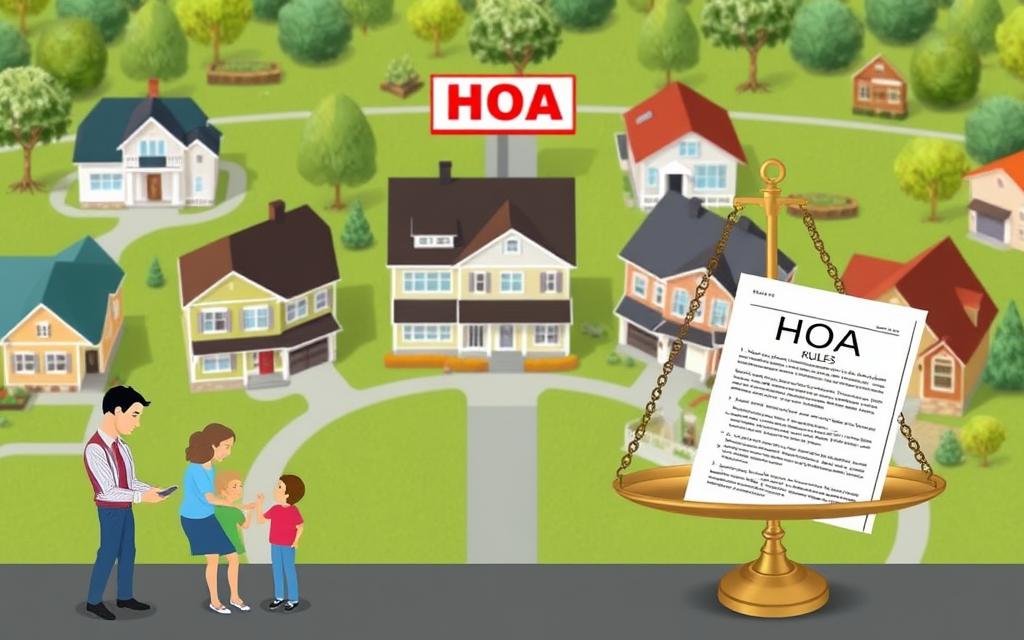
HOA rules are very important for home sales. Sellers need to know how these rules can make their home more appealing to buyers. They also need to understand how these rules affect the selling process.
How HOA Rules Affect Marketability
The marketability of an HOA property depends on several key factors:
- Community amenities and maintenance standards
- Monthly association fees
- Specific property use restrictions
- Overall community reputation
Disclosure Requirements for Sellers
Sellers have to share important information legally:
- Pending HOA litigations
- Outstanding fees or assessments
- Current community regulations
- Financial health of the HOA
Potential Buyer Reactions to HOA Regulations
Buyers have certain expectations for HOA properties:
| Buyer Preference | Percentage |
|---|---|
| Prefer well-maintained neighborhoods | 60% |
| Value community security features | 80% |
| Willing to pay premium for amenities | 55% |
Being proactive and open can really help sell an HOA property. Sellers who tackle concerns upfront can draw more buyers. This can speed up the selling process.
Restructuring HOA Rules
Understanding HOA rules is key. Changing them needs a good plan and teamwork from everyone.
Homeowners can change HOA rules by working together and using smart plans. Changing rules takes time and talking a lot.
Process for Changing Community Guidelines
To start changing rules, follow these steps:
- Read the HOA bylaws carefully
- Write down what you don’t like about the rules
- Make a detailed plan for new rules
- Learn what laws say about changing rules
Engaging in HOA Meetings
Being active in HOA meetings is the first step. You should:
- Go to every board meeting
- Talk clearly and back up your points well
- Get to know the board members
- Show that many people support the changes
Collecting Support from Fellow Homeowners
Getting everyone to agree is very important. Good ways to do this include:
| Strategy | Implementation |
|---|---|
| Petition Gathering | Get signatures from at least 25% of homeowners |
| Community Communication | Use emails, forums, and social media |
| Information Sessions | Have meetings to talk about the new rules |
Knowing how HOA rules work and talking well can help make changes. This way, homeowners can improve their community.
Financial Implications of HOA Regulations
Understanding HOA fees is key to managing your money well. HOA fees help keep your community nice and your home value up. But, they can also be a big money problem.

Costs Associated with Noncompliance
Not following HOA rules can lead to big legal fights. Homeowners might face:
- Initial warning fines
- Escalating penalty charges
- Legal action fees
- Potential property liens
Financial Support for Homeowners
Buying a home in an HOA area needs smart money planning. There are ways to deal with high fees:
- Payment plans with HOA board
- Financial hardship programs
- Negotiating reduced penalties
| Fee Type | Average Cost | Potential Consequences |
|---|---|---|
| Monthly HOA Fees | $200-$300 | Late fees, possible liens |
| Special Assessments | $500-$5,000 | Legal action, risk of foreclosure |
Budgeting for HOA Fees and Fines
Proactive financial management can save you from big fines. Save money for HOA costs. Also, talk often with your HOA to avoid problems.
Navigating Emotional Aspects of HOA Conflicts
Dealing with HOA disputes can be very stressful. It can make people feel anxious and upset. It’s important to know how to handle these feelings to stay well and keep good relationships in the community.
Emotional challenges in HOA conflicts can show up in many ways. Homeowners might feel:
- Always worried about legal problems
- Helpless against community rules
- Stressed out by ongoing fights
- Very tired from not being able to talk things through
Dealing with Stress from HOA Disputes
To manage stress, you need a plan. Keeping a record of all talks helps clear things up. Good communication can lower tension and help everyone understand each other better.
Mental Health Resources for Homeowners
Getting help from professionals is key during tough times with HOAs. Look into:
- Community counseling services
- Legal support groups
- Online homeowner support networks
- Mental health experts who know about solving conflicts
Community Support and Networking
Talking to other homeowners can really help. It makes you feel less alone and more ready to face HOA problems.
| Support Strategy | Potential Benefits |
|---|---|
| Support Groups | Feeling understood and sharing stories |
| Legal Consultations | Getting advice and making plans |
| Online Forums | Always having access to advice from others |
Handling HOA conflicts is a journey. Keeping your emotions in check and getting the right help can turn tough times into chances for growth and understanding in your community.
Best Practices for Dealing with HOAs
Dealing with homeowners association (HOA) rules needs a smart plan and talking openly. With about 365,000 HOAs in the U.S., helping 75.5 million people, knowing how to talk to them is key.
Educating Yourself About HOA Policies
Knowing the rules is very important. Homeowners should:
- Look over HOA documents carefully
- Go to community meetings often
- Ask for the latest rules
- Know your rights well
Maintaining Open Communication
Talking clearly and kindly is important. Good talking helps solve problems and shows you care about the community.
| Communication Strategy | Recommended Approach |
|---|---|
| Written Communication | Email or certified mail for official records |
| Tone | Professional and courteous |
| Frequency | Proactive but not intrusive |
Documenting HOA Interactions
Keeping good records helps protect your rights and proves things if needed. Always save copies of all talks, notices, and letters with your HOA board.
- Keep both digital and paper copies
- Mark dates and times on everything
- Have a special folder for HOA stuff
- Take pictures of any property problems
By following these tips, homeowners can handle HOA rules well. They can keep their rights safe and stay friendly with their community.
Figuring Out When to Seek Legal Help
Dealing with HOA disputes can be tough for homeowners. Knowing when to get legal advice is key. It helps protect your property rights and solve problems well.
Signs You Need an Attorney
Knowing when to get legal help can save you time, money, and stress. Look out for these signs that you might need a lawyer:
- Repeated violations of your property rights by the HOA
- Excessive or unreasonable fines that seem punitive
- Threat of foreclosure or forced property sale
- Complex legal communication from the HOA
- Disputes that cannot be resolved through direct communication
Finding the Right Legal Representation
Finding the right lawyer for HOA disputes is important. Look for lawyers who know a lot about property rights and community association law. Expertise in local regulations is key.
Here’s how to find a good lawyer:
- Ask local real estate pros for recommendations
- Check the state bar association for suggestions
- Look at lawyers’ past work in HOA cases
- Meet with lawyers to see if you click
Costs and Benefits of Legal Action
Legal action can cost money. But, it might stop more expensive problems later. Homeowners should think about the possible results.
Legal costs for HOA disputes can be $5,000 to $30,000, based on the case. But, winning can protect your property value and rights.
Try to work things out with your HOA first. Talking and keeping records can stop legal fights. Being proactive is the best way to solve problems.
Long-Term Strategies for Homeowners
Living in a homeowners association (HOA) needs careful planning. About 60 million Americans live in these communities. Knowing how to handle them is key for owning property well.
Building Positive Relationships with HOA Boards
It’s important to get along with your HOA. Talking well and joining in can stop fights. Community rules work best when everyone respects each other.
- Go to HOA meetings every month
- Talk nicely and with respect
- Know your community’s rules
- Help out in community groups
Educating New Homebuyers on HOA Dynamics
People thinking of buying a home should learn about HOAs first. 70% of buyers look at HOA rules when choosing a home. Knowing the community helps avoid problems later.
- Check the CC&Rs before buying
- Know how fees work
- See how the community is kept up
- Find out about rules enforcement
Preparing for Future HOA Changes
Smart homeowners keep up with HOA rules changes. The Federal Housing Administration says HOAs should save 10% of their budget. Being ready for changes helps protect your home.
Using these tips, homeowners can make their community better. They also keep their property safe.
Conclusion: Know Your Rights and Responsibilities
Understanding homeowners rights in an HOA community is key. It needs smart planning and action. Owning property in an HOA means you must pay close attention and talk often.
Knowing HOA rules helps keep a good relationship with your community. Before buying, check the rules and costs. Also, know what happens if you don’t follow them.
HOA rules are changing, with more laws helping homeowners. About 75% of buyers want clear property titles. This shows the need to solve HOA problems early.
Being a homeowner in an HOA means finding a balance. Stay informed, talk often, and work together. This way, you can make your community better.